
Indonesia welcomed 13.9 million international visitors in 2024, according to the country’s Ministry of Tourism, yet the overwhelming majority never ventured beyond Bali. They were missing something. Further east, in Central Sulawesi, Banggai Island remains remarkably little known — the sort of place that makes you wonder whether writing about it is a good idea at all. Part of me would rather keep it that way.
But here I am. I spent three days there in the dry season, and it’s still one of the more peaceful stretches of coastline I’ve been to in Indonesia. Clear water, decent snorkeling, quiet villages, and none of the tour-bus energy you get in the more famous spots. The island moves slowly. Some people will find that boring. I didn’t.
This is the itinerary I actually followed, plus what I’d change if I went back. It should work whether you’re traveling solo, backpacking on a tight budget, or bringing a partner along for something a little slower-paced than the usual Indonesia highlight reel.
Why Bother With Banggai Island At All?
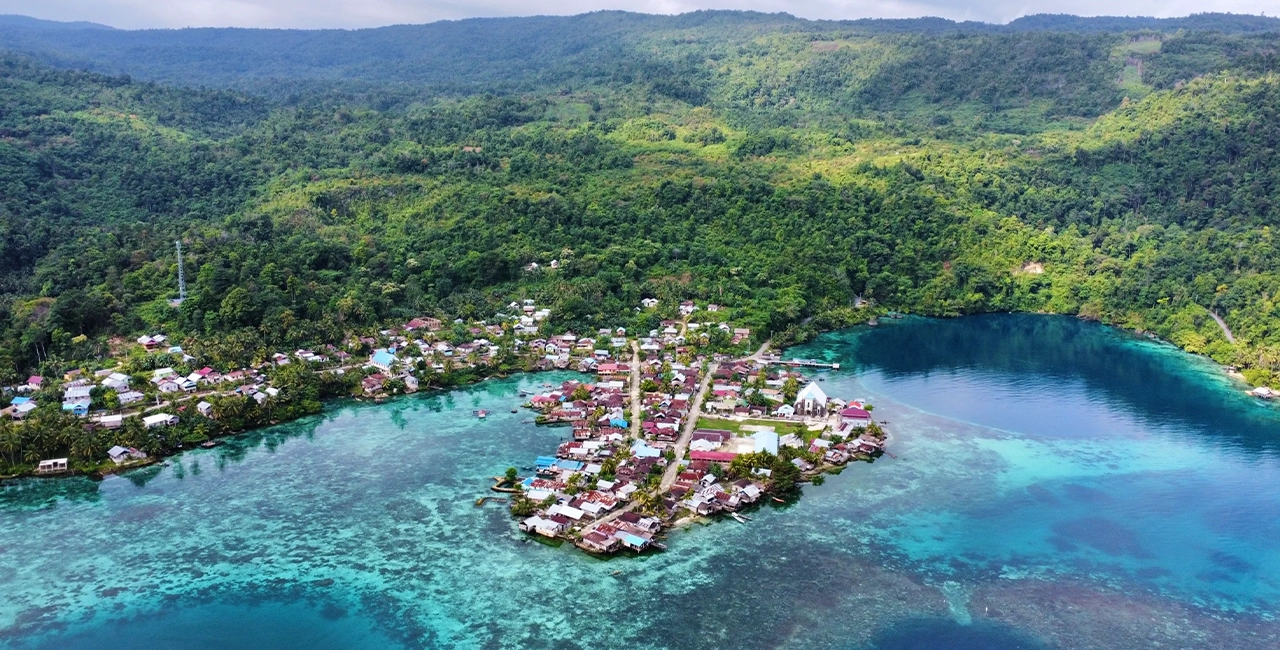
Banggai sits in the Banggai Islands Regency, ringed by small islets and turquoise water that’s genuinely as clear as the photos suggest — I was skeptical until I saw it myself. Bali has the crowds. Raja Ampat has the diving reputation (and the diving prices). Banggai has neither, which is exactly the point.
I spent my days there island-hopping, snorkeling over reefs that haven’t been picked apart by mass tourism yet, and wandering through villages where people were more curious about me than trying to sell me anything. If you want fast-paced adventure with a packed schedule, this isn’t really that. If you want somewhere to slow down, it’s worth the extra travel time.
Best Time to Go
Aim for the dry season, May through October. Indonesia’s meteorology agency, BMKG, tracks this pretty reliably, and the pattern held true when I was there — sunnier days, calmer water, and much better visibility for snorkeling than you’d get outside that window.
Getting There
Fly into Luwuk on Sulawesi, then make your way to the ferry terminal for a boat or speedboat crossing to Banggai. Once you’re on the island, local boats handle the rest — getting between beaches, nearby islands, and snorkeling spots.
Entry and Practical Stuff
Most nationalities can get in with a Visa on Arrival, or visa-free depending on where you’re from. This is worth double-checking before you fly. Bring more cash than you think you’ll need. ATMs are scarce once you’re outside the main towns, and I got caught out more than once trying to pay for a boat trip with a card that nobody could actually use. The signal is fine near town, spotty everywhere else.
What I Actually Spent
Backpacker Budget
I got by on roughly $30–$50 a day. Guesthouses were cheap, food was cheaper, and splitting boat trips with other travelers I met along the way kept transport costs down. If you’re patient and don’t mind sharing a boat, this is very doable.
Mid-Range
If you want air conditioning and a beachfront room instead of a fan and a shared bathroom, budget $70–$120 a day. That covers private boat tours and better seafood restaurants too — still nowhere near what you’d pay for something comparable in Bali.
What Most People End Up Spending
From what I saw and heard from other travelers, most people land somewhere around $50–$80 a day. Booking accommodation ahead, traveling with someone to split boat costs, and eating where locals eat instead of wherever looks most tourist-friendly all make a real difference.
Where to Stay
Budget Guesthouses
Simple, clean, and run by people who are genuinely happy to point you toward the good beaches. Fine for anyone not fussed about extras.
Beachfront Places
A step up — private beach access, better rooms, and usually someone on-site who can arrange boat tours for you. Worth it if you want convenience over savings.
If You’re Traveling With Family
A few larger hotels near the main town have bigger rooms and are close enough to restaurants and transport that you’re not hauling kids around too much.
Where Should First-Timers Stay?
Stick close to the main town or the ferry port. It makes arranging boats and tours far less of a hassle, and you’re not stuck negotiating transport every time you want to do something.
The Itinerary
Day 1 — Settling In
Arrive, check in, and don’t try to cram anything into the first afternoon. I wandered the town instead, found a quiet beach nearby, and caught the sunset from a viewpoint a short walk from where I was staying. Dinner was fresh fish at a small local place — nothing fancy, just good.
Day 2 — Island Hopping
This was the best day, easily. An early boat took us out to a handful of nearby islands — snorkeling over healthy coral, swimming in lagoons that were clearer than any pool I’ve been in, and stopping at a couple of beaches that had literally nobody else on them. Bring your camera. I didn’t, and I still regret it.
Day 3 — Waterfalls and Caves
The last day was slower. A waterfall surrounded by forest, a short walk through limestone caves, and one more viewpoint before heading back toward the beach to relax ahead of my ferry. Not a packed day, and after two days of boats and snorkeling, I didn’t want it to be.
Worth Doing If You Have Extra Time
Snorkeling
The reefs around Banggai are in noticeably better shape than the ones I’ve seen closer to Bali. Bring your own gear if you can — rentals exist but aren’t always great quality.
Hidden Beaches
Ask locals rather than relying on maps. Some of the better beaches I found weren’t marked anywhere, and a guesthouse owner pointed me toward one that ended up being the highlight of my trip.
Fishing Villages
Walking through a couple of the smaller villages taught me more about how people actually live here than any guidebook could. Ask before taking photos of people — most are happy to say yes if you do.
Local Markets
Good for produce, snacks, and picking up something handmade instead of the usual tourist trinkets.

Sunrise and Sunset
Both are worth setting an alarm for. The light hits the water differently depending on the time of day, and the hills catch color in a way that’s hard to describe without sounding like I’m exaggerating. I’m not.
Kayaking
A few operators near the main beach rent kayaks by the hour. It’s the easiest way to reach small coves that boats can’t get into and roads don’t reach at all.
Food Worth Trying
Seafood: Grilled fish, prawns, squid, crab — most of it caught the same day you eat it. Ask what came in that morning rather than ordering off a set menu.
Sulawesi cooking: Regional dishes built around fresh spices and rice are worth seeking out beyond the more generic tourist-menu options.
Street food: Satay, nasi goreng, and bakso show up everywhere and rarely cost more than a couple of dollars.
Fresh fruit: Coconut water, mango, papaya — cheap, everywhere, and genuinely the best way to cool down after a day in the sun.
Getting Around
Scooter Rental
The easiest way to see the island at your own pace. Wear a helmet, carry your license, and check the bike over before you sign anything.
Local Drivers
A better option for families or groups, and drivers often know spots that aren’t on any list — worth asking.
Boats
Non-negotiable for reaching other islands. Shared tours are cheaper; private boats give you more control over timing.
On Foot
Most villages are small enough to walk. It’s slower, but you notice more.
Practical Tips
Packing: Pack light — sunscreen, a hat, insect repellent, a reusable water bottle, and sandals that can handle sand and saltwater without falling apart.
Safety: Check the weather before any boat trip, drink more water than feels necessary, and don’t swim somewhere unfamiliar without asking locals first.
Local customs: Dress modestly in villages, greet people before you start snapping photos, and ask before photographing anyone directly.
Being a decent guest: Skip single-use plastic where you can, use reef-safe sunscreen, and leave beaches the way you found them.
Photography: Early morning and late afternoon light is best. A waterproof case saved my phone more than once on boat trips.
Money and signal: Carry cash — plenty of small places don’t take cards. Coverage is fine in town, unreliable elsewhere.
Mistakes Worth Avoiding
Don’t cut it close on ferry timing — schedules shift with the weather more than you’d expect. Carry more cash than feels necessary. Book ahead if you’re traveling during busier months. Check conditions before any boat trip, and bring reef-safe sunscreen so you’re not damaging the exact reefs you came to see. Mostly, though: don’t rush it. I tried to squeeze in one extra stop on Day 2 and ended up missing the best light at the lagoon because of it. Slower is better here.
Would I Go Back?
Yes, without much hesitation. Three days felt like just enough to get a real sense of the place without overstaying it, though I could easily see spending a week if you wanted to dive deeper into the smaller islands nearby. It’s not going to appeal to everyone — there’s no nightlife, no big resorts, none of the usual conveniences. But if what you’re after is quiet water, good reefs, and a version of Indonesia that hasn’t been fully discovered yet, Banggai delivers.

Darcy Fowler has dedicated a lot of time to travelling around countries in Europe and Asia. She is determined to provide interesting and insightful content with the hope of inspiring others to broaden their horizons. Darcy has a big ambition to establish herself in the world of home travel blogging.