

Stretching for more than 6,900 miles along two seas and one ocean, India’s coastline hides as much as it reveals. Beyond the well-trodden stretches of Goa and Kerala lie quieter shores where coconut groves, cliffs, and tidal flats shape a slower world. These lesser-known beaches offer travellers peaceful waters, natural beauty, and a welcome pause from the crowded coast.
Butterfly Beach, Goa
Take a short boat ride from Palolem or a forest trek to reach this semicircular notch in the coastline south of Palolem. It isn’t named for an abundance of insects but for its shape, which pinches in the middle like a pair of wings.
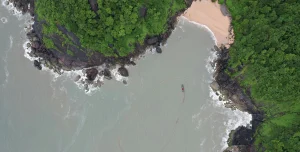

The high cliffs surrounding the cove create a natural barrier against nearby noise, keeping the water calm enough that you can actually hear the Arabian Sea working against the rocks.
Chandipur Beach, Odisha
The Bay of Bengal performs a disappearing act here twice a day that would baffle anyone used to a standard shoreline. During low tide, the water pulls back two to five kilometers—up to three miles—leaving behind a massive, glistening floor of wet sand and tide pools. It’s a rare chance to walk on the seafloor without the inconvenience of drowning.
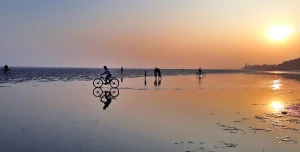
You can wander for an hour toward the horizon before the ocean decides to return, usually bringing a few red ghost crabs along for the ride.
Om Beach, Karnataka
The coastline near Gokarna took a literal turn toward the spiritual when it eroded into two distinct, adjoining curves that resemble the Sanskrit ‘Om’ symbol. While the nearby town handles the heavy lifting for pilgrims, the beach itself is mostly occupied by people sitting still and watching the waves.
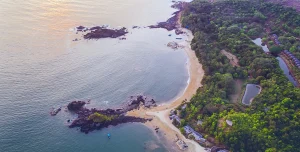
The geography creates a natural amphitheater of rock and sand, where the main event is usually just the sun dipping into the water—free from the high-decibel fanfare of more commercial strips.
Minicoy Beach, Lakshadweep
Sitting closer to the Maldives than to mainland India, Minicoy is the southernmost inhabited speck of the Lakshadweep archipelago. The island is essentially a long green finger of land wrapped around a lagoon so pale it looks bleached by the sun.
Because the central government keeps a firm eye on visitor numbers through permits, the coral remains largely unbothered. It’s the kind of place where the loudest sound is a falling coconut or the slow, rhythmic sweep of the Maldivian-influenced local dialect.
Paradise Beach, Puducherry
To reach this strip of sand, you have to cross the Chunnambar backwaters by ferry, which acts as a natural filter against the casual day-tripper. Once you land, the French colonial architecture of Puducherry feels a world away.
It’s a thin ribbon of gold tucked between the salt wedge of the estuary and the sea. There aren’t many permanent structures or neon signs here—just a lot of open space and the steady, unspectacular business of the tide coming in and going out.

Founded in 2016, The Traveller Trails is a print and digital magazine and a trusted source for current news, trends, analysis, opinions, interesting blogs, videos and exclusive interviews from every corner of the world.